Hearts and Butterflies in Art Nouveau
A Delicate First Impression—Elegant, Not Fussy
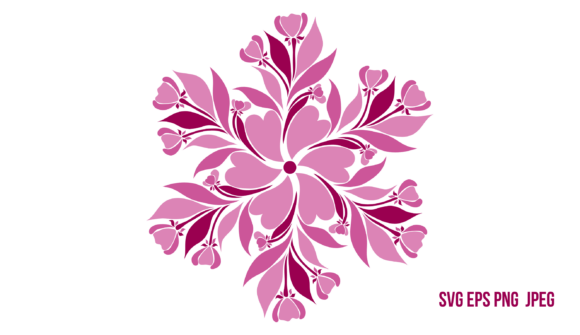
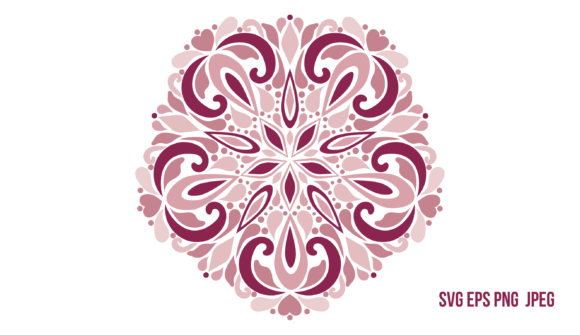
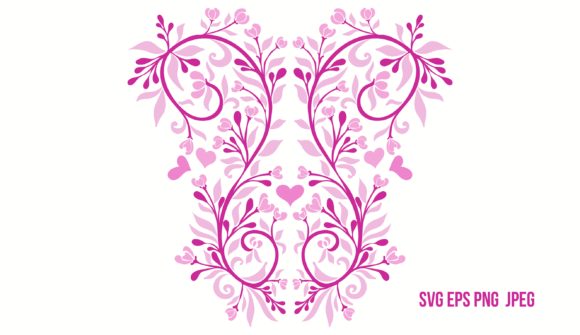
When I opened Hearts and Butterflies in Art Nouveau, my first thought wasn’t “pretty”—it was “breathable.” That’s rare. So many floral embroidery files feel crowded or overly ornate, but this one moves with quiet intention: lilies curl like whispered secrets, roses bloom without heaviness, and butterflies rest—not flutter—as if pinned gently to memory. The hearts aren’t cartoonish; they’re subtle, integrated motifs, echoing the sinuous lines of classic Art Nouveau posters and stained glass. It’s romantic without being saccharine, detailed without demanding perfection. This isn’t a design for maximalist statement pieces—it’s for moments that ask to be held softly: a baby’s onesie, a linen tea towel folded beside a wedding guest book, or the inside pocket of a handmade apron.
Where It Shines in Real Embroidery Projects
I tested Hearts and Butterflies in Art Nouveau on three real items: a heavyweight organic cotton tote bag, a midweight unbrushed sweatshirt, and a 100% linen pillow cover. On the tote, the flow of stems and wings translated beautifully—no stitch pooling, no distortion. The satin-stitched petals held crisp edges, and the butterfly wings read clearly even at 3.5 inches wide. On the sweatshirt, I used medium tear-away stabilizer and a slightly reduced density setting (just enough to keep fill stitches from sinking into the nap). Result? A rich, dimensional look that still felt light—no stiffness, no bulk. And on the linen pillow? Perfect. The open structure of the design let the fabric breathe, and the running-stitch outlines gave it hand-drawn charm, not machine rigidity.
This is a strong candidate for custom apparel, especially for boutique shops or Etsy sellers who curate slow-made, intentional collections. It reads as heirloom-quality on baby embroidery—think crib mobiles, burp cloths, or tiny embroidered heart-and-butterfly accents on kimono wraps. As a tote bag design or apron motif, it adds quiet sophistication without shouting. And for holiday embroidery? Imagine it stitched in metallic gold thread on charcoal velvet stockings—elegant, timeless, never trend-chasing.
Where to Proceed With Thoughtful Care
That delicacy is also its limitation—and that’s okay. Hearts and Butterflies in Art Nouveau doesn’t translate well below ~2.75 inches without losing definition. Tiny butterfly antennae or fine stem tendrils risk stitching out as blobs on small hoop sizes or dense fill areas. Avoid it on highly textured fabrics like bouclé or thick terry cloth unless you’re willing to test multiple stabilizer layers and reduce density significantly. On stretchy fabric—say, a lightweight jersey tee—those long, flowing lines can distort if hooping isn’t precise or if stabilizer choice underestimates recovery. And on dark fabric? Don’t assume contrast. Test your thread colors against black or navy first: pale pinks or creams may disappear entirely without a subtle underlay or tone-on-tone variation.
Also consider context: this design doesn’t anchor well on curved surfaces like caps or beanies. The asymmetry and directional flow make center-front placement ideal—but awkward on rounded crowns. And while it works beautifully as an embroidered patch, avoid layering it over seams or high-movement zones (elbows, knees) where repeated flexing could stress fine satin-stitched edges.
What It Adds to Your Finished Product—Beyond Aesthetics
Using Hearts and Butterflies in Art Nouveau subtly elevates perceived value. Customers don’t just see “flowers and butterflies”—they sense craft intention. That matters for handmade product pricing, Etsy listings, and boutique branding. It reads as professional, not generic. I’ve watched buyers linger longer on mockups featuring this design in printable mockups—especially when shown on natural fiber backgrounds (linen, unbleached cotton, oatmeal wool). It builds trust: this isn’t mass-produced clip art; it’s a considered digital embroidery file with visual rhythm and restraint.
For creative entrepreneurs, it supports brand consistency without locking you into one palette. Swap thread colors—deep emerald + charcoal gray for botanical apothecary goods, blush + ivory for baby collections, or indigo + mustard for modern farmhouse kitchen towels—and the design adapts gracefully. It invites personalization without needing customization: a single heart near a monogrammed initial, or a butterfly wing extending into a custom name banner, feels cohesive, not patched together.
Practical Designer Notes Before You Stitch
- Always test on scrap fabric matching your final project’s weight, weave, and stretch—even if you’ve used this design before.
- Review stitch density carefully. If your machine struggles with dense fill areas, reduce density by 5–8% rather than scaling down the entire design.
- Check whether the embroidery file includes separate color stops for petals, stems, and wings—this gives you flexibility to adjust thread colors per element, not just overall.
- Use proper stabilizer: medium cut-away for knits, medium tear-away for stable wovens, and a light fusible + tear-away combo for sheer or delicate fabrics like voile or rayon challis.
- Confirm licensing before selling finished items—especially if listing as an applique design or bundling with other design assets. Some Illustrations categories restrict commercial use unless explicitly stated.
- Run a black-and-white mockup. Does the silhouette hold up? Are negative spaces balanced? If it flattens visually without color, it may need minor layout tweaks for your specific application.
In short: Hearts and Butterflies in Art Nouveau is a quietly confident Graphics piece—not flashy, not fussy, but deeply capable. It belongs in the toolkit of designers who value clarity over clutter, timelessness over trends, and craftsmanship that whispers instead of shouts. Use it where attention matters, where texture and tactility are part of the story—and where your customer is choosing something because it feels *made*, not manufactured.