Old Ornate Frame Engraving in Antique De
First Impressions: A Quiet Statement, Not a Shout
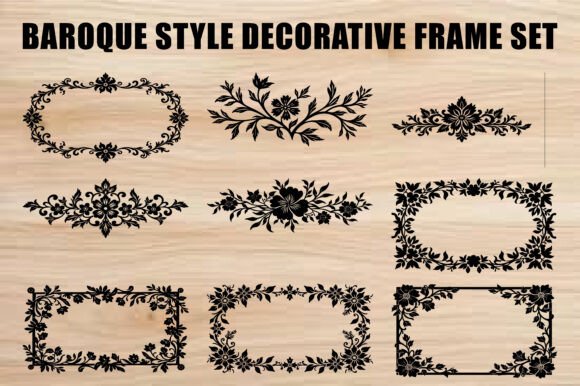
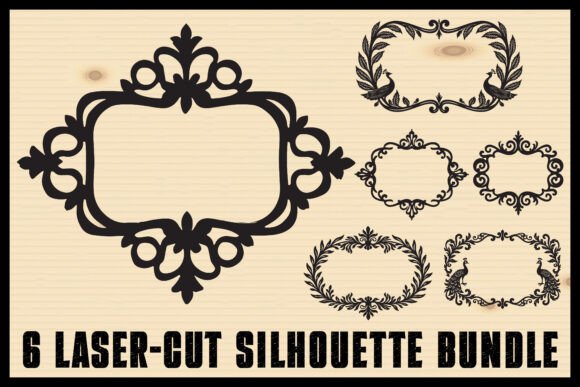
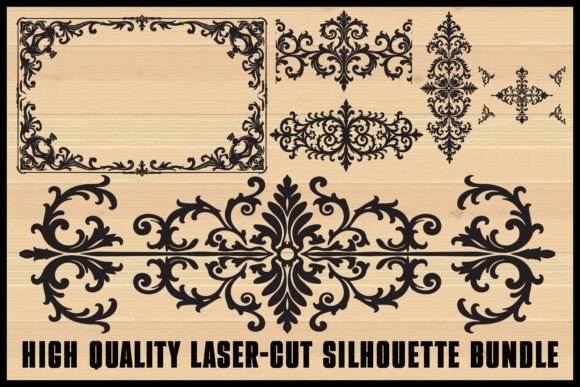
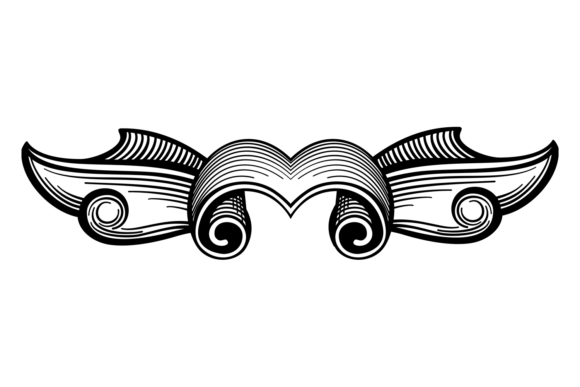
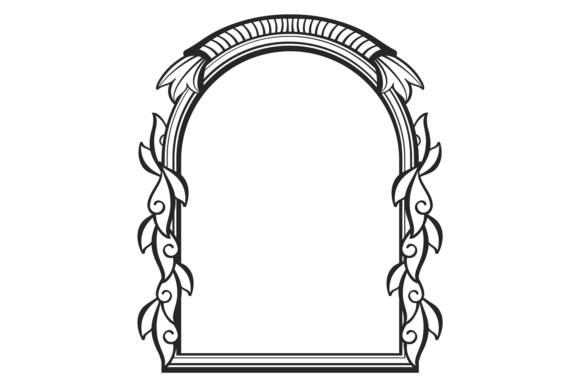
When I opened Old Ornate Frame Engraving in Antique De, I didn’t see “busy” — I saw intention. It’s a centered, symmetrical frame with delicate scrollwork, subtle flourishes, and balanced negative space. No central motif or text forces itself forward; instead, it invites something personal to live inside it — a monogram, a date, a tiny floral sprig, or even a small photo transfer on fabric. The antique decorative style feels warm, not stiff — like a well-loved heirloom rather than a museum replica. That matters deeply when you’re stitching for real people who want handmade charm, not sterile perfection.
Where This Frame Truly Shines (and Where It Might Hesitate)
I recently used Old Ornate Frame Engraving in Antique De as the centerpiece for a custom embroidered linen tea towel — part of a small-batch holiday collection for my Etsy shop. The result? Customers kept commenting on how “elegant but approachable” it felt. That’s the sweet spot: boutique kitchen goods, baby blanket corners, personalized pillow covers for nursery decor, and even minimalist sweatshirt embroidery when scaled down thoughtfully.
It works especially well for custom apparel where subtlety reads as sophistication — think a muted gold thread on charcoal grey cotton, or soft ecru on natural linen. As an embroidered patch, it holds up beautifully on denim jackets or canvas tote bags, especially when backed with iron-on stabilizer and stitched with dense satin stitch along the outer edges.
But let’s be honest: this isn’t a design for every surface. On stretchy fabrics like lightweight knits or curved cap fronts, the fine inner lines can blur unless digitized with careful underlay and reduced stitch density. And on very thin fabrics — say, a silk blend scarf — those tight scrolls risk puckering without ultra-lightweight cutaway stabilizer and gentle hooping pressure.
Real-World Embroidery Behavior: What Happens Under the Needle
In practice, Old Ornate Frame Engraving in Antique De behaves like a thoughtful collaborator — not a demanding diva. Its clean vector origins (EPS, SVG, transparent PNG) mean scaling is forgiving, but remember: embroidery files aren’t graphics files. Before stitching, I always convert it into a proper machine embroidery design with balanced fill and satin stitch zones — no auto-digitized jagged edges or over-stitched corners.
On baby embroidery projects — like a muslin swaddle with a tiny initial nestled inside the frame — it reads clearly at 3.5 inches wide. But below 2.75 inches, some interior flourishes start to compress. That’s not a flaw; it’s a cue. This design asks for breathing room. Use it generously on pillow covers and aprons, more sparingly on cuff details or cap visors.
For commercial embroidery clients, its versatility is a quiet strength. A local florist ordered ten matching linen napkins with this frame enclosing their logo initials — elegant, cohesive, and unmistakably handmade. No one mistook it for mass-produced.
What Buyers Actually Notice (and Why It Matters)
Your customers don’t read file specs — they feel value. With Old Ornate Frame Engraving in Antique De, that value comes through in perceived craftsmanship: the even spacing between scrolls, the graceful taper of each curve, the way light catches the satin-stitched outer rim. It elevates a simple tote bag into a keepsake. It turns a plain sweatshirt into a meaningful gift. That emotional resonance directly supports pricing confidence, repeat orders, and word-of-mouth trust — especially among Etsy sellers and boutique owners building brand consistency.
And yes, it photographs well. Whether you’re creating a printable mockup for your digital product listings or styling flat-lays for Instagram, the clean white background and crisp outlines make color correction and shadow placement intuitive.
Practical Designer Notes You’ll Want to Keep Handy
Before stitching your first project with Old Ornate Frame Engraving in Antique De, here’s what I do — every time:
- Test on scrap fabric first — especially if using textured weaves (like terry cloth towels) or dark backgrounds where thread contrast shifts dramatically.
- Review stitch density — high-density fills look lush on stable fabrics but can overwhelm delicate ones. Adjust fill angle and density based on your fabric texture and stabilizer combo.
- Confirm hoop size compatibility — the full frame fits comfortably in a 5x7 hoop, but if you plan to add text or motifs inside, double-check clearance.
- Inspect small details — zoom in on the vector file. Look for hairline gaps or overlapping paths that could cause digitizing hiccups later.
- Try black-and-white mockups — sometimes a design’s elegance is clearest without color distraction.
- Use proper stabilizer — medium-weight cutaway for knits, tear-away for stable wovens, and fusible + tear-away for lightweight linens.
- Verify licensing — since this is listed as an Illustrations asset and not a pre-digitized embroidery file, confirm whether commercial use of finished stitched items is permitted. When in doubt, contact the seller before listing on Etsy or selling wholesale.
A Design That Serves the Maker, Not Just the Machine
Old Ornate Frame Engraving in Antique De doesn’t scream for attention — it earns it. It’s the kind of design asset that makes your craft business feel intentional, your personalized gift feel considered, and your small shop product feel like it belongs in someone’s home for years. It’s not flashy, but it’s memorable. Not trendy, but quietly timeless.
Whether you're stitching for joy, gifting with meaning, or building a brand rooted in authenticity, this frame gives structure without rigidity — a classic foundation for your next great idea.