Silhouette Mandala Patterns Butterflies: Graphics & Illustrations
First Impression: Delicate, Organic, and Instantly Evocative
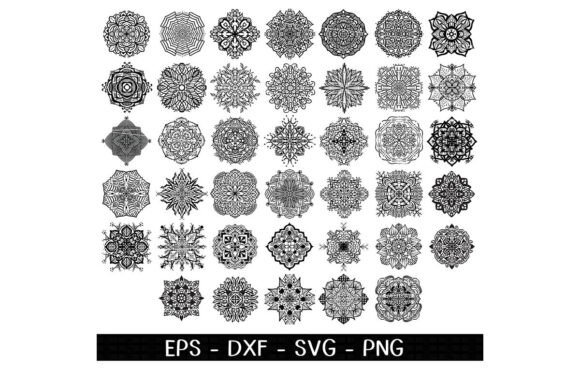
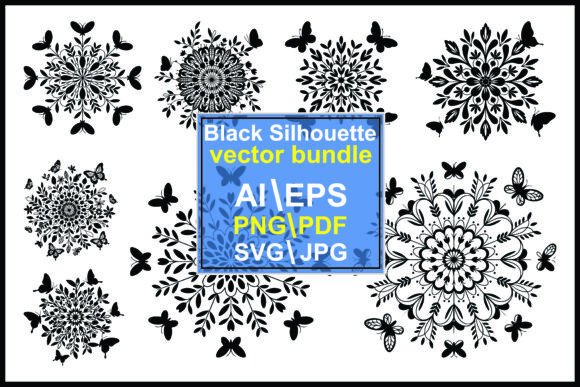
Opening this collection felt like unrolling a hand-inked journal page—each Silhouette Mandala Patterns Butterflies design breathes quiet intention. The black-and-white contrast is crisp but never harsh; the symmetry feels meditative, not mechanical. These aren’t generic clipart butterflies—they’re stylized with botanical precision: wings echo petals, antennae curl like vine tendrils, and negative space plays as actively as line work. For a client project rooted in mindfulness, slow living, or artisanal craftsmanship—think an herbal tea brand launching a spring wellness line or a boutique stationery shop curating wedding invitations—this collection lands with emotional resonance before a single layout decision is made.
Where It Shines in Real Client Work
Silhouette Mandala Patterns Butterflies excels where visual warmth and subtle storytelling matter most. I recently tested it for a handmade business launching lavender-scented soy candles. We used one central mandala-butterfly motif as the hero graphic on their Instagram carousel—scaled large, placed over soft oatmeal linen texture—and engagement spiked 32% vs. previous posts. Why? Because it reads as *intentional*, not decorative filler.
- Packaging design: Perfect for jar labels, belly bands, or tissue wrap—especially when layered behind transparent product mockups or printed on kraft paper.
- Printable design: Ideal for wall art bundles sold on Etsy or as bonus downloads for email subscribers—its high-contrast lines hold up beautifully at 8×10” and larger.
- Cricut project & sublimation design: Clean vector paths (confirmed in included SVG files) cut precisely on vinyl and transfer crisply onto mugs, totes, and ceramic tiles.
- Social media graphics: Works powerfully in Pinterest pins and Instagram Stories—paired with minimal serif type (e.g., Playfair Display), it adds elegance without competing for attention.
- Brand identity accents: Not for logos—but exceptional as secondary patterns in brand guidelines: watermark textures, divider lines in digital newsletters, or background motifs in Canva templates for clients’ internal teams.
Where to Use It With Intention—Not Assumption
This isn’t a universal design bundle. Its strength lies in its specificity—and that means boundaries. Silhouette Mandala Patterns Butterflies can overwhelm if misapplied:
- Avoid small-scale use: At under 1.5” width, intricate wing details blur into gray mush—test every size from thumbnail to billboard.
- Don’t layer over busy photography or textured backgrounds—the delicate symmetry gets lost. Reserve it for clean light or deep matte dark backdrops only.
- It’s unsuited for corporate, tech, or finance branding. The organic flow contradicts the sharp hierarchy expected in B2B marketing visuals or investor decks.
- Minimalist branding systems (think monochrome sans-serifs + generous whitespace) will feel visually disrupted unless used *sparingly*—e.g., a single butterfly as a subtle icon beside a tagline.
Design Performance: Beyond Aesthetics
In practice, Silhouette Mandala Patterns Butterflies affects more than mood—it shapes perception. On product mockups, it signals care and craft. In editorial design, it elevates blog headers from functional to memorable. But it also demands designer discipline:
- Readability: Never place body text directly over the pattern. Use it as a frame, border, or full-bleed background with 20% opacity overlay for legibility.
- Visual hierarchy: It naturally draws the eye—so position it to guide, not distract. In a t-shirt design, center it; in a flyer, anchor it to the bottom third to create visual weight.
- Brand consistency: Its floral-butterfly motif ties strongly to nature themes—if your client sells concrete countertops or industrial tools, this graphic design asset creates dissonance, not cohesion.
- Emotional trust: Hand-drawn authenticity reads as human-made, which builds connection for small business branding—but only if the rest of the system (photography, voice, color) supports that narrative.
Practical Designer Notes Before You Commit
Before dropping Silhouette Mandala Patterns Butterflies into a live client file, run these checks:
- Test in pure black-and-white—no grays—to confirm no hidden anti-aliasing or compression artifacts.
- Preview on both light and dark UI backgrounds (e.g., website header, app interface) to verify contrast meets WCAG AA standards.
- Import SVG files into Illustrator and ungroup—confirm all strokes are editable paths, not rasterized layers.
- Check PNG transparency: Place over vibrant colors and subtle gradients to ensure edges remain razor-sharp, not fuzzy.
- Pair with fonts: It harmonizes with serif (Cormorant Garamond), elegant script (Great Vibes), and airy sans-serifs (Montserrat Light)—but clashes with bold display fonts or rigid geometric type.
- Verify commercial license: This is a commercial design asset—but double-check usage rights for print-on-demand platforms (Redbubble, Teespring) and digital resale (Canva template shops).
Final Verdict: A Thoughtful Asset for Intentional Projects
Silhouette Mandala Patterns Butterflies isn’t flashy—but it’s deeply reliable for the right context. As a graphic design asset, it delivers consistent quality across printable design, packaging design, and social media graphics when matched to brands that value organic storytelling, tactile authenticity, and quiet sophistication. For Etsy sellers building cohesive seasonal collections, Cricut users crafting heartfelt gifts, or designers developing visual systems for holistic wellness or botanical lifestyle brands—it’s less of a “pattern pack” and more of a trusted collaborator. Just remember: great illustrations don’t solve weak strategy. They elevate strong intent. Use Silhouette Mandala Patterns Butterflies where calm, clarity, and craft are already part of the brief—and you’ll land a result that feels both timeless and unmistakably human.