Black Hearts and Heart Shaped Borders
A Designer’s First Look: Clean, Bold, and Quietly Versatile
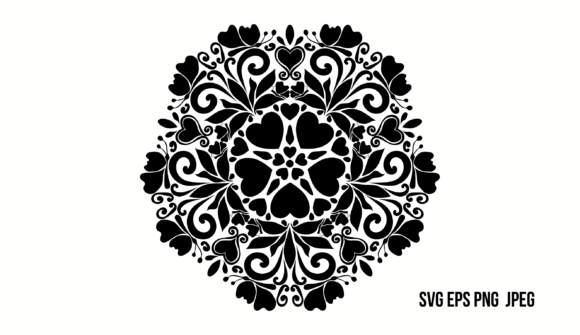
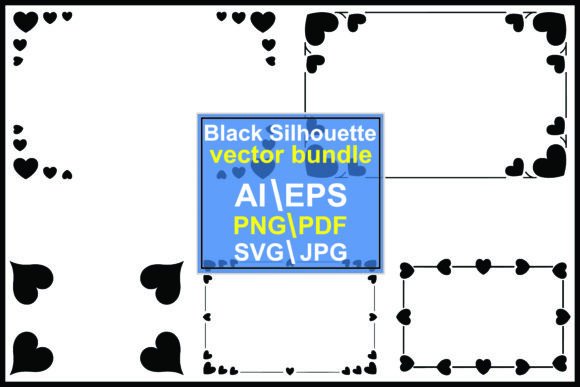
When I opened Black Hearts and Heart Shaped Borders, my first thought wasn’t “romantic” or “cutesy”—it was “confident.” The stark contrast of black shapes against white background gives immediate visual authority. These aren’t delicate lace hearts or cartoonish doodles. They’re graphic, intentional, and built for impact—not just sentiment. As an embroidery designer who’s stitched hundreds of heart motifs for baby onesies, boutique aprons, and wedding guest towels, I appreciate how rare it is to find a heart-themed collection that avoids cliché while still feeling warm and human.
Where This Design Truly Shines in Real Projects
I recently used Black Hearts and Heart Shaped Borders to create a limited-run set of linen tea towels for a local kitchen goods shop. We placed a single centered black heart border around the towel’s lower edge—no text, no extra flourishes. The result? Instant cohesion. Customers kept commenting on how “elegant but approachable” it felt—proof that simplicity, when well-executed, reads as premium, not minimal.
This collection excels in projects where restraint matters: embroidered sweatshirt cuffs, minimalist tote bag corners, nursery wall hangings, and even subtle cap brims. Because the shapes are bold and uncluttered, they translate cleanly into stitch—even at modest sizes. A small heart corner motif works beautifully on baby bibs or pillow covers without dissolving into fuzz. And unlike many floral or script-based designs, Black Hearts and Heart Shaped Borders holds up across product categories without needing heavy reinterpretation.
What to Watch For: Real Embroidery Reality Checks
That said—don’t assume it’s universally forgiving. On textured fabrics like terry cloth or bouclé, fine interior lines (if present in your chosen variant) may blur. On stretchy knits, especially lightweight t-shirts, you’ll need excellent cutaway stabilizer and possibly reduced stitch density to avoid puckering. And if you’re planning to embroider over dark fabric? Remember: this is a black-on-white illustration set. You’ll need to reverse or recolor the design digitally—and test thoroughly. Black thread on navy or charcoal can read flat or muddy unless you add subtle underlay or adjust satin stitch angles.
Also worth noting: while the borders and frames look crisp on screen, tight corners and sharp inner angles demand attention during digitizing. If you’re using this as a machine embroidery design, verify that curves are smooth and stitch jumps minimized—especially for commercial embroidery runs where consistency matters across dozens of units.
Smart Pairings for Maximum Impact
- Tote bags & aprons: Use a full border frame along the hem—it adds structure without overwhelming handmade charm.
- Baby items: A single small heart in the corner of a swaddle or burp cloth feels tender, not saccharine.
- Holiday & wedding gifts: Layer with neutral thread (heather gray, oatmeal, deep burgundy) for quiet sophistication.
- Etsy listings & printable mockups: The high-contrast graphic nature makes it ideal for clean digital previews—no retouching needed.
Why It Builds Trust—Not Just Decoration
In my experience, customers don’t buy “hearts.” They buy meaning, intention, and craftsmanship. Black Hearts and Heart Shaped Borders supports that by looking deliberate—not generic. When a bride orders personalized hand towels with this border, she’s not getting stock clipart. She’s getting a refined design asset that says, “I cared about the details.” That perception lifts perceived value, encourages repeat buyers, and strengthens brand consistency for small shop owners and craft businesses alike.
It also performs well across buyer touchpoints: clear on product photos, legible in Instagram thumbnails, recognizable in physical markets, and scalable for both digital embroidery files and printed packaging elements.
Practical Designer Notes Before You Stitch
Before committing to a client project or bulk run:
- Test Black Hearts and Heart Shaped Borders on scrap fabric matching your final substrate—especially if using textured, stretchy, or thin material.
- Check thread color contrast: black thread on off-white linen reads differently than on bright white cotton poplin.
- Review stitch density—if fill areas feel overly dense, reduce underlay or adjust stitch length to prevent stiffness.
- Confirm hoop size compatibility: some border variations may require larger hoops; don’t guess—measure.
- Inspect small details: tiny interior cutouts or narrow connecting lines may need manual cleanup before stitching.
- Try black-and-white mockups: does the shape hold up without color context? It should.
- Compare light vs. dark backgrounds: if adapting for dark fabric, ensure outlines or negative space remain legible.
- Use appropriate stabilizer—especially for lightweight or unstable fabrics.
- Verify licensing: since this falls under Illustrations and Graphics, confirm whether your intended use (e.g., selling finished embroidered patches or reselling digital embroidery files) is permitted.
Final Thought: A Quiet Workhorse, Not a Flashy Gimmick
Black Hearts and Heart Shaped Borders won’t shout—but it will anchor. It’s the kind of design that earns compliments months after purchase because it ages well, stitches reliably, and supports the product instead of competing with it. Whether you’re an Etsy seller building a cohesive line, a craft fair vendor curating tactile goods, or a custom apparel decorator refining your signature style—this collection earns its place in your working library. Not as filler. But as foundation.